
How Federal Work Comp Experts Guide OWCP Claims in Knoxville
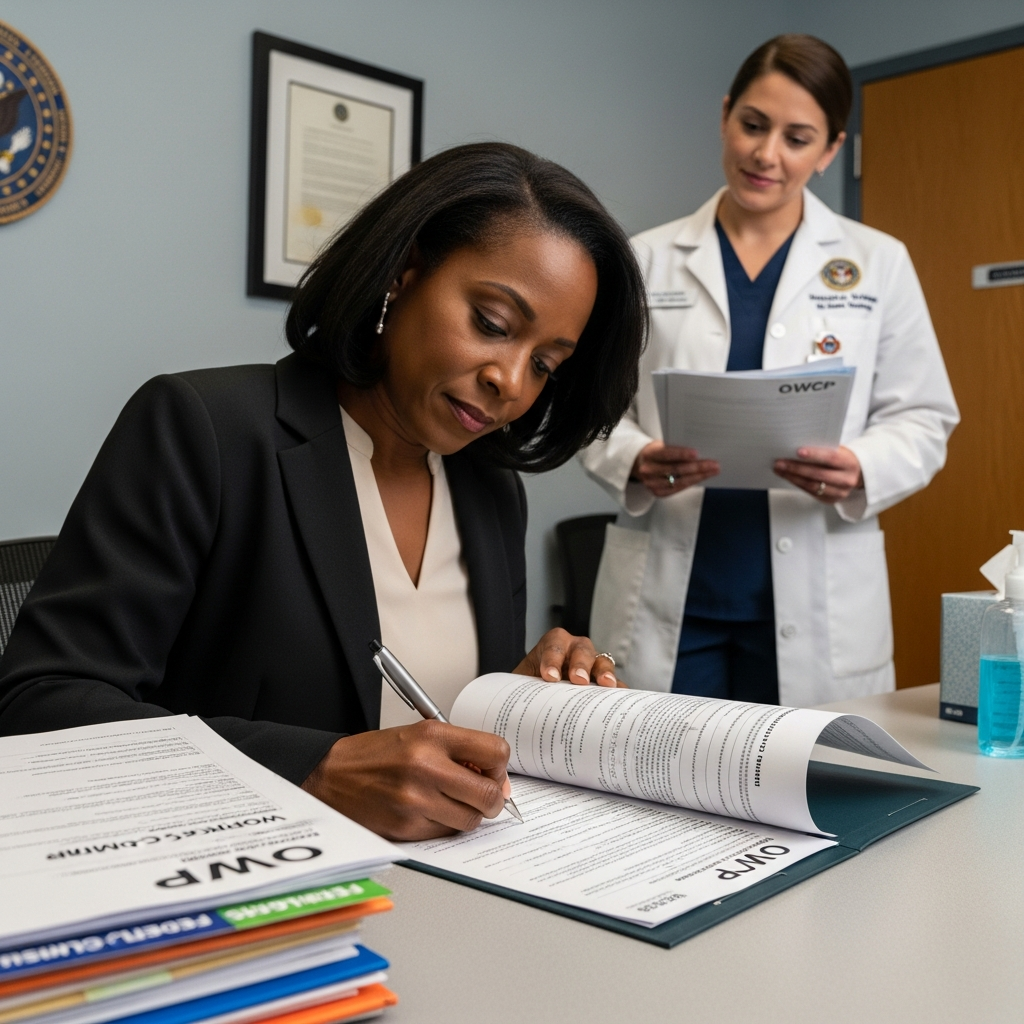
Picture this: you’re sitting at your kitchen table on a Sunday night, staring at a stack of confusing paperwork from the Office of Workers’ Compensation Programs. Your back injury from that workplace incident three months ago isn’t getting better, and frankly… the whole claims process feels like trying to solve a puzzle where someone keeps changing the pieces.
Sound familiar?
You’re not alone in feeling completely overwhelmed by the federal workers’ compensation system. I’ve talked to dozens of federal employees here in Knoxville who describe the OWCP claims process as everything from “a bureaucratic nightmare” to “more complicated than my actual job.” And honestly? They’re not wrong.
Here’s the thing about federal workers’ comp claims – they’re nothing like the straightforward process you might imagine. While your neighbor who works for a private company might file their workers’ comp claim and get answers within weeks, federal employees navigate an entirely different beast. The OWCP has its own rules, its own timeline (and by timeline, I mean… it takes a while), and its own very specific way of doing things that can leave you feeling like you need a translator just to understand your own case.
That workplace injury you sustained? It doesn’t just affect your physical health – though that’s obviously the most important part. It ripples through everything. Your paycheck, your peace of mind, your ability to plan for the future. Maybe you’re wondering if you’ll be able to return to work at all, or perhaps you’re worried about how long you can afford to be on reduced benefits while your claim winds its way through the system.
And let’s be honest about something else – the paperwork alone is enough to make anyone want to throw in the towel. Form CA-1, CA-2, medical reports, witness statements, supervisor notifications… it’s like they designed the process to test your determination rather than actually help injured workers get the support they need.
But here’s what I want you to know: you don’t have to figure this out on your own.
This is where federal work comp experts come in – and I’m not talking about some faceless corporation or call center operation. I’m talking about professionals right here in Knoxville who specialize in exactly what you’re going through. People who wake up every morning thinking about OWCP regulations, who know which forms actually matter (spoiler alert: some of that paperwork isn’t as critical as it seems), and who understand how to navigate the system efficiently.
Think of them as your personal GPS through the workers’ comp maze. You know how your GPS doesn’t just tell you where to turn – it also warns you about traffic jams ahead and finds alternate routes when there’s construction? That’s what a good federal work comp expert does for your claim.
Now, I know what you might be thinking. “Do I really need professional help for this?” Maybe you’re the type of person who usually handles things yourself, or perhaps you’re worried about the cost of getting expert assistance. Those are valid concerns, and we’ll talk about both throughout this article.
What I can tell you right now is that having someone in your corner who truly understands the federal system can make the difference between a claim that drags on for months (or years) and one that moves forward smoothly. It’s the difference between getting the benefits you’re entitled to and potentially leaving money on the table because you didn’t know about certain provisions or deadlines.
We’re going to walk through exactly how these experts work, what they actually do for you (it’s more than just filing paperwork), and how to find the right person for your specific situation here in Knoxville. You’ll learn about common pitfalls that trip up federal employees – mistakes that seem small but can seriously impact your claim – and discover strategies that can actually speed up the process.
Because here’s the truth: you’ve already been injured at work. You shouldn’t have to injure yourself further by trying to navigate this complex system alone. Let’s figure out how to get you the help you deserve.
The Federal Worker’s Safety Net – But It’s Complicated
Think of federal work comp as a specialized insurance policy that only covers a very specific group of people. You know how your car insurance works differently than your homeowner’s insurance? Federal work comp operates in its own universe, separate from the workers’ compensation systems that private sector employees deal with.
The Office of Workers’ Compensation Programs (OWCP) – and honestly, that’s a mouthful even for those of us who work with it daily – manages these claims. It’s like having a different rulebook for the same game. Where a private sector worker might file with their state’s workers’ comp board, federal employees navigate an entirely different bureaucracy.
When Federal Employees Get Hurt – The Real Story
Here’s where it gets interesting (and a bit frustrating, if we’re being honest). Federal employees include everyone from postal workers to park rangers, from VA hospital staff to TSA agents at McGhee Tyson Airport. Each faces unique risks – a mail carrier dealing with aggressive dogs is different from a forest service employee handling chainsaw maintenance.
The injury happens, and suddenly you’re thrust into a world of specific forms, medical requirements, and deadlines that feel… well, arbitrary. It’s not like calling your regular doctor and using your health insurance. The federal system requires approved physicians, specific documentation, and a level of paperwork that can feel overwhelming when you’re already dealing with pain or recovery.
The Expert’s Role – Translation and Navigation
This is where federal work comp experts become invaluable. Think of them as interpreters – not for language, but for bureaucracy. They understand that when OWCP requests a “narrative medical report,” they’re not just asking your doctor to write a note. They want specific information formatted in a particular way, addressing certain medical and legal standards.
The expert knows, for instance, that your treating physician needs to establish not just what’s wrong, but how your work duties specifically caused or aggravated your condition. It’s the difference between saying “my back hurts” and explaining how lifting 50-pound mail bags eight hours a day led to a herniated disc at L4-L5.
Why Knoxville’s Federal Workforce Needs Local Support
Knoxville sits in an interesting position. We’ve got federal employees scattered across various agencies – from the Tennessee Valley Authority to Oak Ridge National Laboratory workers (though they have their own compensation system, it gets complicated…). Each faces different challenges.
A federal employee here might be dealing with an injury that occurred at their duty station, but their case gets processed through regional or national OWCP offices. That geographic disconnect can create communication gaps. Local experts bridge this divide, understanding both the federal requirements and the practical realities of getting medical care in East Tennessee.
The Documentation Dance – More Art Than Science
Here’s something that surprises many federal employees: the paperwork isn’t just bureaucratic busy work. Each form, each medical report, each statement builds a legal case for your compensation. Miss a deadline or submit incomplete information, and your claim can stall for months.
Federal work comp experts know which battles to fight and which hills aren’t worth dying on. They understand that sometimes accepting a lower disability rating initially makes sense if it gets your medical coverage approved quickly. Other times, they’ll push back hard on medical determinations that seem unfair.
Medical Care Under Federal Work Comp – A Different Ecosystem
When you’re injured on the job as a federal employee, you can’t just see any doctor. Well, you can, but OWCP might not pay for it. The system requires either pre-approved physicians or emergency treatment that gets sorted out later.
This creates unique challenges in a place like Knoxville, where we have excellent medical facilities but not every provider understands federal compensation requirements. The expert helps navigate these waters – finding doctors who not only provide quality care but also understand how to document treatment in ways that support your claim.
The whole system can feel designed to test your patience rather than help you heal. That’s where having someone in your corner – someone who speaks fluent OWCP – makes all the difference between a claim that moves smoothly and one that becomes a years-long battle.
Finding the Right Federal Work Comp Expert in Knoxville
You know what’s funny? Most federal employees think any workers’ comp lawyer can handle their OWCP claim. That’s like assuming your family doctor can perform brain surgery – technically they’re both doctors, but… well, you get the picture.
Look for attorneys who spend at least 80% of their practice on federal cases. In Knoxville, that narrows the field considerably. These specialists know the difference between Form CA-1 and CA-2 without blinking, and they’ll catch mistakes that could torpedo your claim before you even submit it.
Here’s a insider tip: ask potential attorneys how many OWCP cases they’ve handled in the past year. If they hem and haw or give you a vague “lots,” keep looking. The good ones track their numbers because they’re proud of them.
What to Bring to Your First Meeting (And What Not to Bother With)
Your expert is going to want specific documents – not just everything you’ve ever received from the government. Start with your original injury report and any witness statements. That coworker who saw you slip on the wet floor? Their statement carries more weight than you might think.
Medical records are crucial, but here’s what most people get wrong: don’t just bring the records from after your injury. If you’ve had back problems before and now you’re claiming a back injury at work, your attorney needs to see the full picture. Trying to hide pre-existing conditions is like trying to hide an elephant with a handkerchief – it never works and it makes everything worse.
Skip bringing every email you’ve ever exchanged with your supervisor (unless it’s directly related to your injury or claim). Your expert’s time is valuable, and sifting through irrelevant correspondence isn’t helping your case.
The Documentation Strategy That Actually Works
Most federal employees approach documentation like they’re writing a novel – way too much unnecessary detail. Your OWCP expert will teach you the “just enough” principle. Document what happened, when, who was present, and what you felt or experienced. That’s it.
But here’s the secret sauce: timing matters more than most people realize. If you wait three weeks to document pain that started the day after your incident, it raises red flags. Your expert will help you create a documentation timeline that makes sense and supports your claim without looking manufactured.
Those daily pain journals everyone talks about? They’re helpful, but only if you’re consistent. Writing “pain level 8” for thirty straight days without any variation looks suspicious. Real pain fluctuates – your documentation should reflect that reality.
Navigating the OWCP Bureaucracy (Without Losing Your Mind)
The Office of Workers’ Compensation Programs runs on its own timeline, and it’s not Earth time. Your Knoxville expert has learned to work within this system instead of fighting it – and they’ll teach you the same patience.
Here’s something most people don’t know: OWCP claims examiners in different regions have different quirks and preferences. A good local expert knows that examiner Johnson prefers medical reports formatted a certain way, while examiner Williams always asks for specific follow-up information. It’s like knowing which checkout clerk at the grocery store moves fastest – local knowledge that saves time and frustration.
Your expert will also know when to push and when to wait. Sometimes a gentle follow-up call moves things along. Other times, aggressive pushing actually slows down your claim. It’s an art form, really.
The Appeals Process – Your Safety Net When Things Go Wrong
Let’s be honest – not every claim gets approved on the first try. Actually, that reminds me of what one Knoxville expert told me: “If someone promises you’ll definitely get approved immediately, they’re either lying or they’ve never handled an OWCP case.”
When your claim gets denied (and it might), the appeals timeline is unforgiving. You’ve got 30 days to request a hearing or review – not business days, calendar days. Miss that deadline, and you’re starting over from scratch.
Your expert will prepare for appeals from day one, building a record that can withstand scrutiny. They know which medical evidence carries the most weight with hearing officers and how to present your case in the most compelling way.
The key is understanding that appeals aren’t just about proving you’re right – they’re about proving the original decision was wrong. It’s a subtle but important difference that experienced federal work comp experts navigate daily.
The Paperwork Nightmare That Never Ends
Let’s be honest – federal workers’ comp paperwork is designed by people who’ve never actually had to fill it out themselves. You’re dealing with forms that reference other forms, deadlines that seem to shift like sand, and medical documentation requirements that would make a PhD weep.
The CA-1 and CA-2 forms? They look simple enough until you realize one wrong checkbox can delay your claim for months. And don’t get me started on the medical narrative requirements – your doctor needs to connect your injury to your work duties in very specific language that most physicians have never heard of.
The solution isn’t to wing it. Experienced federal work comp experts in Knoxville know exactly which boxes matter most, what medical language OWCP actually wants to see, and – this is crucial – how to present your case so it doesn’t get kicked back for “insufficient documentation.” They’ve seen the patterns in denials and can spot potential problems before you submit anything.
When Your Doctor Doesn’t Speak OWCP
Here’s something nobody tells you upfront: most doctors, even excellent ones, don’t understand federal workers’ compensation requirements. Your orthopedist might write a perfectly accurate medical report that gets your claim denied because they didn’t use the magic words OWCP wants to hear.
The agency needs your doctor to establish “causal relationship” between your work duties and your injury. Sounds straightforward, right? Except your doctor writes “patient reports injury occurred at work” instead of “it is more likely than not that the employee’s diagnosed condition is causally related to the accepted work injury.” See the difference? OWCP does.
This isn’t your doctor’s fault – they’re trained to heal people, not navigate federal bureaucracy. But it becomes your problem when your legitimate claim gets denied because of medical reporting that doesn’t meet OWCP’s very specific standards.
Smart approach: Work with someone who can bridge this gap. Good federal work comp experts maintain relationships with doctors who understand OWCP requirements, or they know how to coach your existing physician on what needs to be documented and how.
The Waiting Game (And Why It’s Rigged)
OWCP claims move at government speed, which is somewhere between glacial and geological. But here’s what really trips people up – they think the waiting is passive. You submit your claim and… wait. Wrong.
During those weeks and months of apparent silence, OWCP is making decisions about your case. They’re requesting additional documentation, scheduling independent medical exams, and sometimes – and this is the kicker – making determinations based on incomplete information because they didn’t get responses to requests you never received.
I’ve seen claims denied because OWCP sent a request for additional information to an old address, waited their required 30 days, then closed the file for “failure to respond.” The system isn’t designed to be malicious, but it’s definitely not designed to be forgiving either.
Your defense: Stay proactive about communication. Check your case status regularly, maintain current contact information with OWCP, and don’t assume silence means everything’s fine. Actually, assume the opposite.
The Second Injury Trap
This one catches federal employees by surprise all the time. You have an accepted OWCP claim – great! But then you hurt something else, or your original injury gets worse, and suddenly you’re dealing with a whole new level of complexity.
OWCP doesn’t automatically accept that your new problems are related to your original injury, even when they obviously are. Hurt your back at work, then develop hip problems from compensating? You’ll need to prove the connection. Original wrist injury leads to shoulder issues? Same deal.
The agency treats each new body part or condition as potentially separate, which means more forms, more medical documentation, and more opportunities for denial. And if you’re not careful about how you report new symptoms, you might accidentally undermine your original claim.
The key is documentation and timing. Don’t wait until your hip is screaming to report that it started hurting after you changed how you walk due to your back injury. Connect the dots early and clearly, preferably with medical backing that explains the biomechanical relationship between your injuries.
Fighting Denials Without Going Broke
Getting denied feels like a gut punch, especially when you know your injury is legitimate and work-related. But here’s the thing about OWCP appeals – they’re winnable, but they require a completely different approach than your original claim.
The reconsideration process isn’t just about submitting the same information again. You need to understand why you were denied and address those specific deficiencies with new evidence or better medical opinions. Sometimes that means getting a second medical opinion that specifically rebuts OWCP’s reasoning.
What to Expect After Filing Your Claim
Here’s the thing about OWCP claims – they’re not exactly known for their lightning speed. I wish I could tell you that you’ll have an answer in two weeks, but that wouldn’t be honest. Most initial decisions take anywhere from 30 to 90 days, sometimes longer if your case is complex or if additional medical documentation is needed.
Think of it like waiting for test results from your doctor… except the lab is a federal agency processing thousands of cases. Your federal work comp expert will help you understand where your claim sits in this process and what’s causing any delays. They’ll also know when to apply gentle pressure – and when pushing too hard might actually slow things down.
The good news? Once your claim is accepted, medical treatment approvals usually happen much faster. But that initial decision? Yeah, it takes time.
Building Your Medical Foundation
Your medical records are the backbone of your entire claim – without solid documentation, even the most obvious work injury can get tangled up in bureaucratic red tape. This is where having an expert becomes invaluable, because they know exactly what OWCP needs to see.
Your expert will work with your doctors to ensure medical reports clearly connect your injury to your work duties. Sometimes this means getting a supplemental report that spells out what might seem obvious to everyone else. (Trust me, OWCP rarely assumes anything is obvious.)
They’ll also help coordinate any required second opinions or independent medical examinations. These can feel invasive and frustrating – you’re already dealing with an injury, and now someone else needs to poke and prod you? But your expert will prepare you for what to expect and make sure you’re presenting your case in the best possible light.
The Back-and-Forth Dance
Here’s what nobody tells you about OWCP claims: they’re rarely a straight line from filing to approval. More often, it’s a conversation – OWCP asks for more information, you provide it, they ask for clarification, you clarify. It can feel endless.
Your federal work comp expert becomes your translator in this dance. When OWCP sends a development letter asking for additional evidence (and they almost always do), your expert knows whether they’re asking for something routine or if there’s a red flag you need to address immediately.
Sometimes OWCP will request medical opinions about your ability to return to work. Other times, they might question whether your current treatment is necessary. Your expert helps you navigate these requests without accidentally saying something that could hurt your case down the road.
Managing Your Expectations (The Real Talk)
Look, I’ve seen people expect their claim to solve every problem overnight. The reality is more nuanced. OWCP benefits are designed to replace lost wages and cover medical expenses – they’re not necessarily going to make you whole in every sense of the word.
Your expert will help you understand what benefits you’re actually entitled to. Maybe that’s temporary total disability payments while you recover. Maybe it’s schedule awards for permanent impairment. Or perhaps it’s vocational rehabilitation if you can’t return to your old position.
But here’s something important – your life doesn’t stop while your claim processes. Your expert can help you explore interim options, like using your sick leave strategically or understanding how continuation of pay works in the early weeks after your injury.
When Things Don’t Go as Planned
Sometimes claims get denied. Sometimes approved claims get terminated unexpectedly. Sometimes medical treatment gets rejected seemingly out of nowhere. It happens, and it’s not necessarily a reflection of the strength of your case or the quality of your expert’s work.
The appeals process exists for a reason – and honestly, it’s where experienced federal work comp experts really earn their fees. They understand the different levels of appeal, the strict deadlines involved, and how to present new evidence effectively.
Staying Connected Throughout the Process
Your relationship with your federal work comp expert isn’t a one-and-done transaction. These cases can span months or even years, especially if you need ongoing medical treatment or if complications arise.
Expect regular check-ins, updates on your case status, and guidance on new developments. Good experts will also help you understand how your claim might affect other benefits you’re receiving and what happens if your work situation changes.
The key is maintaining open communication – let your expert know if your medical condition changes, if you’re considering retirement, or if your agency is pressuring you about your return to work status. These details matter more than you might think.
You know what strikes me most about working with federal employees here in Knoxville? It’s the relief I see on their faces when they realize they don’t have to navigate this whole OWCP thing alone. There’s something about having an expert in your corner – someone who actually understands the system’s quirks and knows which forms need to be filed when.
And honestly, that makes perfect sense. You didn’t become a postal worker or TSA agent or park ranger because you wanted to become an expert in federal workers’ compensation law. You chose your career to serve others, to do meaningful work. The last thing you should have to worry about when you’re injured is whether you’re filling out Form CA-2 correctly or if your doctor’s report meets OWCP’s specific requirements.
The federal workers’ compensation system… well, it’s like trying to assemble IKEA furniture without the little pictures. Technically, all the pieces are there, but good luck figuring out which screw goes where without some guidance. That’s where having someone who’s been through this hundreds of times becomes invaluable.
What I’ve learned over the years is that most claim denials aren’t because the injury isn’t legitimate – they’re because of paperwork issues, missed deadlines, or incomplete medical documentation. It’s frustrating because these are often completely preventable problems when you know what to look for.
The thing about OWCP is that it’s not designed to be user-friendly. It’s a bureaucratic system with its own language, its own timelines, and its own very particular way of doing things. But here’s what gives me hope: once you understand how it works – or better yet, have someone who understands it working on your behalf – the system actually can work for you.
I think about Mary, a mail carrier who came to us after her initial claim was denied. She was convinced the system was rigged against her. Six months later, she was receiving her benefits and getting the medical treatment she needed. The difference? Having someone who knew exactly which doctor reports OWCP required and how to present her case in their language.
Your injury is real. Your pain matters. And you deserve to have your claim handled properly the first time around, not after months of back-and-forth with claims examiners who seem to speak a different language entirely.
The beautiful thing about working with federal work comp experts is that you get to focus on what really matters – healing and getting back to the work you care about – while someone else handles the paperwork maze. It’s like having a translator who’s fluent in both “normal person” and “federal bureaucracy.”
If you’re dealing with an OWCP claim right now, or if you’re worried about how to handle a workplace injury, don’t try to figure it all out alone. The system is complicated enough without having to learn it while you’re also trying to recover from an injury.
Give us a call. Let’s talk about what’s going on with your situation. No pressure, no sales pitch – just a conversation about how we might be able to help make this whole process a little less overwhelming. Because honestly? You’ve got enough to worry about right now.